

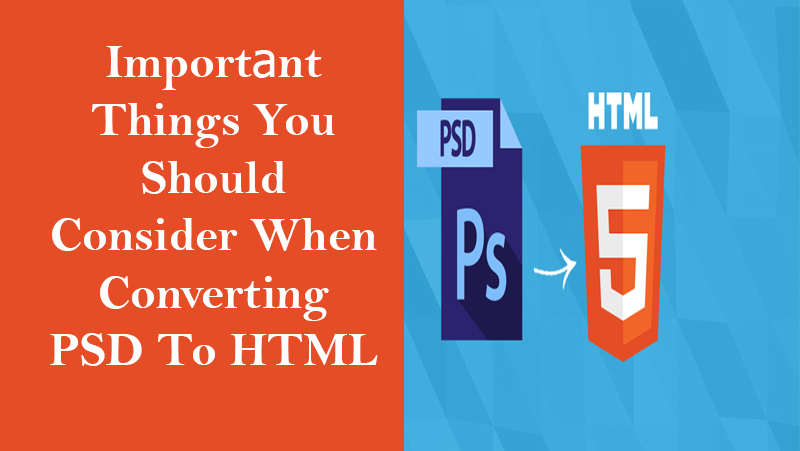
Converting PSD designs into HTML websites is an important step in modern web development. While Photoshop designs help visualize the website layout, the actual website must be coded properly to ensure responsiveness, speed, SEO-friendliness, and cross-browser compatibility. A successful PSD to HTML conversion creates a fully functional website that matches the original design while delivering excellent performance across devices.
What Is PSD to HTML Conversion?
PSD to HTML conversion is the process of transforming a Photoshop design file into a working HTML website using front-end technologies like HTML, CSS, JavaScript, and responsive frameworks. Developers carefully convert design elements into clean and structured code while maintaining design accuracy and usability.
Development Insight
Clean coding and responsive design practices are essential for successful PSD to HTML conversion projects.
Factor 1: Mobile Responsive Design
Modern websites must work smoothly across smartphones, tablets, laptops, and desktops. Responsive design ensures that layouts automatically adjust based on screen size and provide consistent user experiences across devices.
Better Mobile Experience
Responsive layouts improve usability on smaller screens.
Cross-Device Compatibility
Websites function properly across all modern devices.
Improved SEO Performance
Mobile-friendly websites perform better in search rankings.
Higher User Engagement
Better usability encourages visitors to stay longer.
Factor 2: Clean & Structured Coding
Clean coding practices improve website performance, maintenance, and scalability. Well-structured HTML, CSS, and JavaScript make websites easier to manage and optimize in the future.
- SEO-Friendly HTML Structure
- Organized CSS & JavaScript Files
- Faster Website Performance
- Easier Future Maintenance
- Better Website Scalability
- Improved Code Readability
Well-structured code improves website speed, maintainability, and overall digital performance.
Factor 3: Cross-Browser Compatibility
Websites should function consistently across popular browsers such as Chrome, Firefox, Safari, Edge, and Opera. During PSD to HTML conversion, developers must test layouts, animations, and functionality across multiple browsers to avoid display issues.
Benefits of Browser Compatibility
- Consistent website appearance
- Smooth user experience
- Better accessibility for visitors
- Reduced technical issues
Without Proper Testing
- Broken layouts on browsers
- Design inconsistencies
- Functionality errors
- Higher bounce rates
Factor 4: Optimized Website Speed
Website loading speed directly impacts user experience and search rankings. Optimized images, compressed files, lightweight coding, and efficient scripts help improve overall website performance after PSD to HTML conversion.
Faster Loading Speed
Quick-loading websites improve customer engagement.
Better Conversion Rates
Faster websites often achieve stronger business results.
Efficient Resource Usage
Optimized coding reduces unnecessary server load.
Improved Search Rankings
Speed optimization supports better SEO visibility.
Factor 5: SEO-Friendly Website Structure
SEO should be considered during PSD to HTML conversion to improve search engine visibility. Semantic HTML tags, optimized headings, image alt tags, structured content, and mobile-friendly coding all contribute to stronger SEO performance.
SEO Tip
SEO-friendly coding helps search engines understand website structure and content more effectively.
Factor 6: User Experience & UI Consistency
Developers should ensure that the final HTML website matches the original PSD design accurately while maintaining smooth navigation and user interaction. Consistent spacing, typography, animations, and layouts improve overall user experience and brand professionalism.
Strong UI/UX Practices
- Consistent visual design
- Clear navigation structure
- Readable typography
- Smooth interactive elements
Poor UI/UX Problems
- Broken layouts
- Confusing navigation
- Inconsistent styling
- Weak customer engagement
Factor 7: Future Scalability & Maintenance
A scalable website structure allows businesses to expand features and update content efficiently in the future. Modular coding practices and reusable components simplify future website improvements and maintenance tasks.
Future Trends in PSD to HTML Development
Modern front-end development continues evolving with responsive frameworks, component-based design systems, AI-powered coding tools, lightweight animations, and performance-focused development practices. Businesses adopting modern coding standards often achieve faster, more user-friendly, and scalable websites.
How Professional Web Development Supports Business Growth
A professionally developed HTML website improves user experience, website speed, search visibility, and customer trust. Strong front-end development combined with SEO and responsive design helps businesses build stronger online presence and long-term digital growth.
Need Professional PSD to HTML Conversion Services?
Quikseo develops responsive, SEO-friendly, and high-performance HTML websites designed to match your design vision and improve online business performance.
Get Free Development Consultation


